
The Ultimate Guide to DUI Charges in Maryland

Share on Facebook
Share on X
Share on LinkedIn

Facing a DUI Charge in Maryland

It only takes one moment for everything to feel like it’s slipping out of your control. Maybe you saw the blue lights in your mirror, or maybe you were already at the station when the reality hit: you’re now facing a DUI charge in Maryland. Most people in this situation feel a mix of fear, confusion, embarrassment, and worry about what happens next. If that sounds familiar, you’re not alone.

Maryland takes impaired driving seriously, and part of what makes this experience so stressful is that the laws can feel complicated from the very start.

One of the first things to know is that Maryland has two different offenses: DUI and DWI. While they sound similar, they’re not the same charge. Each carries its own standards, penalties, and long-term consequences, and both are treated as criminal matters.

This guide is here to give you clarity on what DUI and DWI mean under Maryland law, how police typically make these arrests, what the MVA can do to your license, what penalties might be on the table, and how a defense lawyer works to protect you throughout the process.

Laws can change, and no article can replace personalized legal advice. If you’ve been charged with DUI or DWI, the safest step is to speak directly with a Maryland DUI defense attorney who can evaluate your specific circumstances.

Understanding Maryland DUI vs. DWI

If you were charged with impaired driving in Maryland, you may be wondering whether you were cited for DUI or DWI. The terms are similar but the standards and consequences differ.

What Is DUI in Maryland?

In Maryland, DUI is the more serious charge. It usually applies when a driver has a BAC of 0.08 or higher or appears significantly impaired by alcohol or drugs. Prosecutors often pursue DUI when evidence shows clear impairment or a test result above the legal limit. A DUI conviction typically brings heavier penalties, including increased exposure to jail and stricter license consequences.

What Is DWI in Maryland?

DWI, or driving while impaired, is handled as a lower-level offense. It often applies when BAC is around 0.07 or when impairment affects safe driving but does not meet the DUI threshold. DWI is still a criminal charge and can lead to fines, points on your record, possible jail time, higher insurance rates, and problems with background checks.

BAC Limits and Special Categories

Maryland uses different BAC thresholds depending on the type of driver and the circumstances:

  • Standard adult drivers: The legal per se limit is 0.08 for DUI. Impairment at 0.07 can lead to a DWI.
  • Under-21 drivers: Maryland enforces stricter limits for underage drivers. Any measurable alcohol can lead to legal consequences because of the state’s zero-tolerance approach.
  • Commercial drivers (CDL holders): CDL drivers face stricter BAC requirements. Even a relatively low BAC can jeopardize a commercial license, and a DUI or DWI may trigger separate federal and employer consequences.
  • Drug-related impairment: Impairment is not limited to alcohol. Illegal drugs, prescription medications, or even over-the-counter substances can lead to DUI or DWI charges if they affect a driver’s ability to operate a vehicle safely.

Understanding your BAC and the type of license you hold is important because it often shapes the charges the officer chooses and the penalties the MVA may impose.

DUI vs. DWI: Why the Distinction Matters

The difference between DUI and DWI can influence negotiations, penalties, and long-term outcomes. DUI often carries higher criminal and MVA consequences, while DWI may allow more room for reduced penalties under the right circumstances. Depending on BAC and the strength of the evidence, an attorney may work to negotiate a DUI down to a DWI.

How Maryland DUI Arrests Usually Happen

Most DUI cases in Maryland follow a predictable pattern, starting with a traffic stop and moving through field tests and chemical testing. 

The Traffic Stop

Most DUI cases begin with a simple traffic stop. Officers often pull drivers over for common issues such as speeding, drifting between lanes, failing to signal, or having a broken taillight. These minor infractions give the officer a legal basis to stop the vehicle, and what happens next usually depends on the officer’s observations.

During the stop, the officer looks for signs that could suggest impairment. These might include the smell of alcohol, slurred or slow speech, glassy or bloodshot eyes, or noticeable confusion. Even small comments or actions can make their way into the officer’s report, which is why this early stage can shape the entire case. If the officer believes there is reasonable suspicion of impairment, the stop often moves to field sobriety testing.

Field Sobriety Tests

Maryland officers typically use three standardized tests: walk and turn, one leg stand, and horizontal gaze nystagmus. These tests measure balance and coordination, but performance can be affected by age, injury, fatigue, uneven pavement, or weather. Because results rely on officer interpretation, they are not flawless and can be challenged later.

Preliminary Breath Tests (PBT) at the Roadside

A preliminary breath test, or PBT, is a handheld device used at the roadside. Its purpose is not to provide an official BAC level for court but to help the officer decide whether there is probable cause for a DUI or DWI arrest. The reading is generally not admissible at trial, but officers often mention it in their reports as part of the basis for moving forward with an arrest.

Drivers sometimes assume the PBT result is the same as the official breath test taken later at the station, but the two serve different roles in the process. The roadside test is mainly an investigative tool, not a final measurement.

Chemical Testing: Breath and Blood

Once arrested, most drivers are given an official breath test at the station. This test uses a certified machine, and results are generally admissible if protocols are followed. Blood testing may be used when drug impairment is suspected or when injuries prevent breath testing. Defense attorneys often review calibration records, timing, and chain of custody to assess reliability.

Maryland’s Implied Consent Law and Refusing a Test

Most drivers do not realize that by operating a vehicle in Maryland, they have already agreed to chemical testing under certain conditions. Implied consent means that if an officer has reasonable grounds to suspect DUI or DWI, you are expected to submit to a breath or blood test after being properly advised of your rights and the possible consequences of refusal.

What Implied Consent Means

Maryland’s implied consent law says that if an officer has reasonable grounds to suspect DUI or DWI, you are expected to submit to a breath or blood test under certain conditions. Before the test, the officer must advise you of your rights and the potential consequences of refusing. This advisement is usually given through a form that the officer reads or presents to you.

Implied consent does not mean you must automatically agree. You can refuse the test, but doing so triggers separate penalties through the Maryland Motor Vehicle Administration (MVA). These administrative consequences apply even if your criminal charges are later reduced or dismissed, which is why understanding implied consent is so important.

Consequences of Refusing a Breath or Blood Test

Refusing a chemical test typically leads to immediate and automatic license consequences. The MVA can impose a longer suspension for refusal than for a test failure, and in many cases, you may be required to install an ignition interlock device if you want to continue driving.

Refusal can sometimes help limit chemical evidence in the criminal case, but the trade-off is the harsher administrative penalties. Drivers often face difficult decisions in the moment, especially under stress, which is why talking to a lawyer afterward is important. A defense attorney can help you understand whether refusal may affect your options moving forward.

Consequences of Failing a Breath Test

If you take the test and the result is above the legal limit, the MVA can suspend your license based on the reading. Higher BAC levels can result in longer suspensions or stricter ignition interlock eligibility. Maryland also increases penalties when BAC is significantly elevated or when aggravating factors exist.

Even with a failed test, the result is not conclusive. A defense attorney may challenge whether the test was properly administered, whether equipment was calibrated correctly, and whether timing affected accuracy.

The Administrative Side: Maryland MVA Consequences

Even before your court case begins, the Maryland Motor Vehicle Administration (MVA) can take action against your license. These administrative penalties operate on a separate track from the criminal charges, which means you could face license consequences even if your case is later reduced or dismissed. 

License Suspension and Ignition Interlock

If you fail or refuse a breath or blood test, the MVA may suspend your license for a set period of time. The exact length depends on whether the issue was a test refusal or a test failure, and whether you have past alcohol related incidents. Some drivers qualify for the ignition interlock program instead of a full suspension. This device allows you to keep driving legally as long as you meet program conditions. An attorney can help you understand which option fits your situation and whether you qualify.

Deadlines to Act After a DUI Arrest

Maryland gives you a short window, usually between 10 and 30 days, to request an MVA hearing. Missing this deadline often leads to an automatic suspension. It is one of the most urgent steps after an arrest. Requesting the hearing preserves your chance to challenge the suspension or ask for ignition interlock instead of losing your ability to drive. Many people ask a lawyer for help with this step so nothing is missed.

What Happens at a Maryland MVA Hearing

An MVA hearing is handled by an administrative law judge. The judge reviews the facts and decides issues like suspension length, whether ignition interlock is appropriate, or whether you qualify for a restricted license that lets you drive for work or medical reasons. You or your attorney may present documents, ask questions, and explain why you need driving privileges. The hearing does not decide guilt or innocence, but the outcome can have a major impact on your daily life. This stage is easier to manage with legal support.

The Criminal Court Process for Maryland DUI Charges
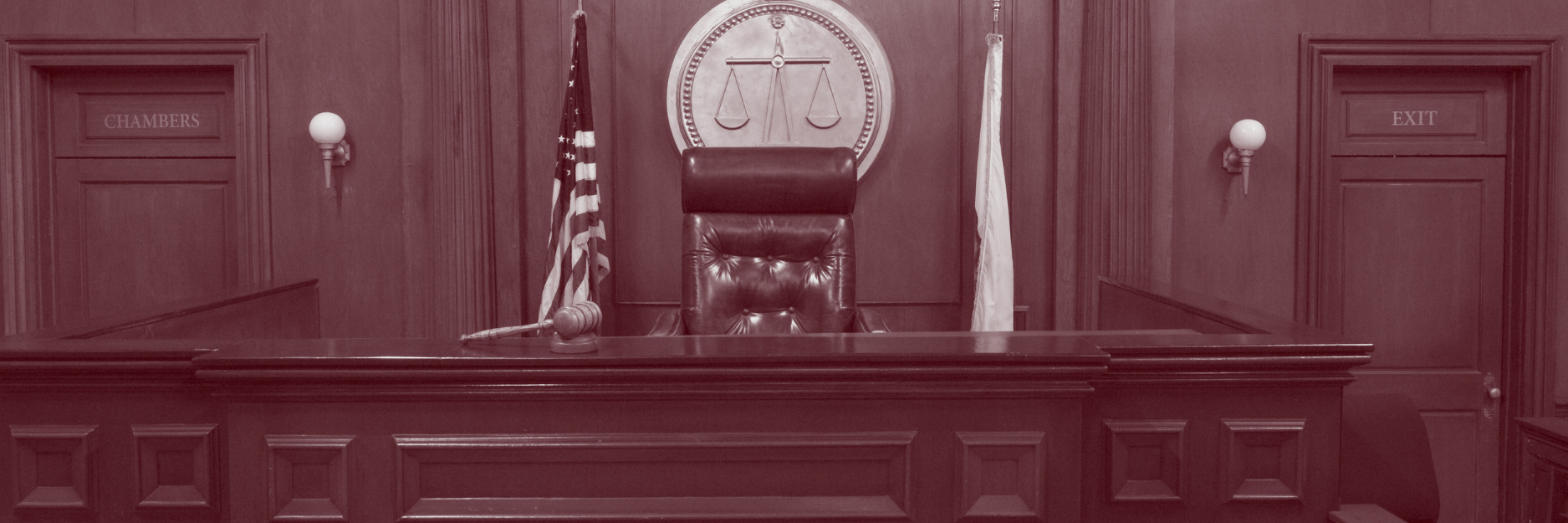
Court can feel overwhelming when you have never been through it before. Understanding the steps helps you feel more prepared and gives you a sense of control. A DUI or DWI case usually moves through several stages, and having someone walk you through each one can make the process less stressful and prevent mistakes.

Arraignment / Initial Appearance

Your first hearing is usually an arraignment or initial appearance. The judge confirms your identity, explains the charges, and makes sure you understand your rights. You may enter a plea, but many people wait until they have reviewed the evidence with a lawyer. The judge may also set conditions like avoiding alcohol or getting evaluated. This hearing is often quick, but it sets the tone for the rest of the case. Having legal guidance at this stage helps you avoid missteps.

Pretrial Phase

Most of the work in a DUI or DWI case happens before trial. During pretrial, your lawyer reviews police reports, test results, videos, and witness statements. They look for problems with the traffic stop, field sobriety tests, or breath and blood testing procedures. If something was done incorrectly, your attorney may file motions to challenge that evidence. Pretrial is also when many cases are resolved through negotiation. Sometimes charges can be reduced or penalties lessened, especially for first-time offenders or borderline BAC results.

Trial in District vs. Circuit Court

Most of the work in a DUI or DWI case happens before trial. During pretrial, your lawyer reviews police reports, test results, videos, and witness statements. They look for problems with the traffic stop, field sobriety tests, or breath and blood testing procedures. If something was done incorrectly, your attorney may file motions to challenge that evidence. Pretrial is also when many cases are resolved through negotiation. Sometimes charges can be reduced or penalties lessened, especially for first-time offenders or borderline BAC results.

Penalties for DUI and DWI in Maryland

It is normal to worry about penalties after a DUI or DWI arrest. Maryland’s consequences depend on your BAC level, your history, and whether anyone was hurt. Knowing what you could face helps you understand why building a defense early matters.

Factors That Influence Your Sentence

Judges look at several details when deciding punishment. These include prior DUI or DWI convictions, your BAC at the time of arrest, whether a minor was in the vehicle, and whether a crash or injury occurred. Aggravating factors can increase penalties, so having someone who can explain your situation to the court often makes a difference.

Possible Criminal Penalties

  • For a first-time Maryland DUI law conviction (BAC ≥ 0.08), the maximum criminal penalties are up to one year in jail and a fine up to $1,000.
  • If the DUI occurs while a minor is in the vehicle, penalties increase: up to 2 years in prison and fine up to $2,000 may apply.
  • For repeat DUI offenses, sentences increase. A second DUI offense may bring up to 2 years in prison and $2,000 fine, and a third (or subsequent) offense can carry up to 3 years in prison and a $3,000 fine.

Long-Term Consequences

A DUI or DWI conviction affects more than the short term. It can raise insurance costs, add points to your record, and appear on background checks. Employers, landlords, and licensing boards sometimes review these records, so outcomes early in the case may shape opportunities later.

For commercial drivers, the consequences can be more severe. A DUI/DWI conviction may trigger commercial license suspension or revocation, possibly for one year or more, and in some cases, disqualification may be permanent depending on prior offenses. 

For non-citizens, impaired driving convictions can create immigration complications. Background checks may also reflect a conviction, which can influence employment or housing opportunities.

Common Defenses to DUI Charges in Maryland

It’s not uncommon for mistakes, misunderstandings, or procedure errors to play a big role when someone is charged with DUI or DWI. Spotting those problems early often becomes the first line of defense — and sometimes, the difference between a conviction and a reduced charge or even dismissal.

Challenging the Traffic Stop

For a DUI or DWI case to hold up, the police must have had legal justification, “reasonable suspicion,”  to initiate the traffic stop in the first place. Common triggers like a broken taillight or drifting between lanes may or may not rise to that level. If the stop was legally questionable, a defense attorney can argue the entire stop was invalid. If the judge agrees, all subsequent evidence (field tests, breath/blood results) might be suppressed.

Attacking Field Sobriety Test Evidence

Field sobriety tests (walk-and-turn, one-leg stand, HGN) are subjective and affected by many factors beyond intoxication. Conditions like uneven ground, poor shoes, fatigue, or a medical condition can lead to poor performance — even for sober drivers. Defense attorneys will examine how tests were administered, check for video or officer inconsistencies, and raise doubts about the reliability of the results.

Questioning Breath and Blood Test Reliability

Breath machines require proper calibration, maintenance, and operator training. Blood samples must follow strict chain of custody rules. If timing was off, equipment was not maintained, or paperwork is incomplete, results may be challenged. For some people, this becomes the strongest part of their defense.

Procedural and Constitutional Issues

Mistakes during arrest can also affect a case. These include incorrect implied consent warnings, an illegal stop or detention, or failures in protocol. Body camera footage sometimes shows details that do not match police reports. Even small inconsistencies matter when they cast doubt on the reliability of the evidence.

Negotiation and Damage Control

Not every case ends in dismissal, but many can be reduced or softened. A DUI may be negotiated down to a DWI when evidence is borderline or when the driver has no prior record. In other cases, an attorney may work toward treatment instead of jail, a restricted license instead of full suspension, or ignition interlock to keep you driving. The goal is to protect your record and limit long-term fallout.

Even when things look bad, there may be more options than you think. A lawyer can help you understand what applies in your situation and what can be done to improve your outcome.

What to Do Right After a DUI Arrest in Maryland

The hours and days after a DUI arrest often feel like a blur, but the steps you take early on can shape the entire outcome of your case. Knowing what to focus on, and what to avoid, can help protect your rights and preserve important evidence.

Protecting Your Rights from the Start

What you say and do immediately after a DUI arrest matters. You are not required to explain your actions, justify your driving, or answer questions beyond providing basic identifying information. Anything you say can be included in the officer’s report, and even casual comments may be misinterpreted later.

It’s also important to avoid discussing the incident on social media or venting publicly. Prosecutors sometimes review online posts, and what feels like innocent sharing can be used out of context. Until you speak with an attorney, the safest approach is to stay calm, say as little as possible, and avoid making assumptions about your situation.

Preserving Evidence

Memories fade quickly, especially after a stressful event. Writing down everything you remember as soon as you can, the reason for the stop, what the officer said, road conditions, how the field sobriety tests were given, can be extremely helpful.

Identifying possible witnesses is another smart step. This includes bartenders, servers, friends, or passengers who were with you earlier in the day or night. If you have medical conditions that affect balance, speech, or coordination, gathering related records can also be important evidence.

These details may seem small, but they can help a lawyer identify inconsistencies, procedural mistakes, or alternative explanations for the officer’s observations.

Handling Your License and MVA Deadlines

Maryland gives you only a short period, typically 10 to 30 days, to request an MVA hearing after a DUI or DWI arrest. Missing this deadline can result in an automatic license suspension.

Requesting the hearing preserves your chance to challenge the suspension, seek restricted driving privileges, or qualify for ignition interlock instead of a full suspension. Many people ask an attorney to handle this step to ensure it’s submitted correctly and on time.

How a Maryland DUI Defense Attorney Can Help

justice statue

When the state has months or even years to build a DUI case against you, having a lawyer who’s ready to act now can be one of your strongest protections. A competent defense starts early: challenging what’s wrong, defending what’s fair, and working to protect what matters most — your freedom, your license, and your future.

Strategic Case Evaluation

A strong defense starts with a detailed review of everything that happened before, during, and after the traffic stop. A lawyer will examine the officer’s basis for pulling you over, the instructions given during field sobriety tests, the timing and reliability of breath or blood tests, and whether proper procedures were followed.

Even small inconsistencies can make a meaningful difference. A defense attorney identifies those issues early and uses them to shape a strategy that fits the facts of your case.

Building a Defense and Negotiating

From motions to suppress evidence to challenging the accuracy of chemical tests, a DUI attorney looks for legal or procedural errors that may weaken the state’s case.

If dismissal isn’t possible, negotiation becomes an important tool. An attorney may work toward reducing a DUI to a DWI, minimizing penalties, or securing alternatives like treatment programs or ignition interlock instead of harsher sanctions.

The goal is always the same: achieving the best possible outcome based on your circumstances.

Guiding You Through Every Stage

The DUI process includes both criminal court and administrative MVA consequences. A defense lawyer helps you understand each step, from requesting an MVA hearing to preparing for court appearances.

They can also advise you about practical issues, such as employment questions, professional licensing, or how a conviction might appear on background checks.

Having someone walk you through the system can make the process less stressful and ensure you don’t miss important deadlines or opportunities.

When You Should Call a Maryland DUI Lawyer

A DUI or DWI charge can escalate quickly, and the sooner you have a defense lawyer involved, the better your chances of protecting your license, your record, and your future. Timing matters in Maryland, not only because of court deadlines but also because the MVA moves fast after an arrest. Reaching out early gives you a clearer picture of what to expect and helps you avoid mistakes that could hurt your case later.

You should contact a Maryland DUI lawyer right away if:

  • You were just arrested or received a DUI/DWI citation. Early legal guidance helps preserve evidence, protect your rights, and position your case for the strongest defense.
  • You received notice of an upcoming MVA suspension. Maryland’s timelines are short, and missing a deadline can automatically suspend your driver’s license.
  • You hold a CDL or professional license. Commercial drivers, healthcare workers, educators, and clearance holders face added career consequences that require strategic planning.
  • You have a prior DUI/DWI or are currently on probation. Repeat offenses carry higher penalties, and experienced legal help is essential to minimize long-term impact.

This is also the moment when choosing the right DUI attorney becomes critical. You want someone who is responsive, strategic, and deeply familiar with how Maryland handles DUI and DWI cases, someone who will take your call, answer your questions clearly, and take ownership of your defense from day one.

Hartman Attorneys at Law is built around that philosophy. Clients get direct access to an attorney who listens, communicates honestly, and prepares every case with the level of care it deserves. Whether you need help challenging the stop, fighting the test results, negotiating the charges, or protecting your license, having a dedicated advocate on your side can make all the difference. Contact us today for a consultation.

FAQs About DUI Charges in Maryland

What’s the difference between DUI and DWI in Maryland?

DUI is the more serious charge and usually applies when your BAC is 0.08 or higher, or when the officer believes you were significantly impaired. DWI is a lesser charge that often applies around a 0.07 BAC or when impairment is present but not as severe. Both are criminal offenses.

Will I lose my license after a first DUI in Maryland?

Possibly. The MVA can suspend your license for failing or refusing a chemical test, even before you go to court. You may qualify for ignition interlock instead of full suspension.

Can I refuse a breath test in Maryland, and what happens if I do?

Yes, but refusal triggers harsher MVA penalties, including a longer license suspension or mandatory ignition interlock. The refusal can help limit evidence in your criminal case, but it carries serious administrative consequences.

Do I have to install an ignition interlock device after a DUI?

You might. Maryland requires ignition interlock for certain BAC levels, test refusals, repeat offenses, or when you choose interlock instead of a full suspension. Many drivers opt in to keep driving legally.

Will a DUI conviction stay on my record forever?

A DUI conviction in Maryland cannot be expunged. It remains on your record permanently unless the case was dismissed, acquitted, or placed on PBJ (probation before judgment), which may open the door to expungement later.

Can I get a Maryland DUI expunged or reduced later?

Convictions cannot be expunged, but in some cases a DUI may be reduced to a DWI during negotiations. Outcomes depend on your BAC, the evidence, and any prior history.

What if I’m charged with DUI in Maryland but I live out of state?

Maryland can still take action against your driving privileges, and your home state may honor those penalties. You’ll also need to address the criminal case in Maryland, often with help from a local DUI attorney.

The Ultimate Guide to DUI Charges in Maryland

Facing a DUI Charge in Maryland

It only takes one moment for everything to feel like it’s slipping out of your control. Maybe you saw the blue lights in your mirror, or maybe you were already at the station when the reality hit: you’re now facing a DUI charge in Maryland. Most people in this situation feel a mix of fear, confusion, embarrassment, and worry about what happens next. If that sounds familiar, you’re not alone.

Maryland takes impaired driving seriously, and part of what makes this experience so stressful is that the laws can feel complicated from the very start.

One of the first things to know is that Maryland has two different offenses: DUI and DWI. While they sound similar, they’re not the same charge. Each carries its own standards, penalties, and long-term consequences, and both are treated as criminal matters.

This guide is here to give you clarity on what DUI and DWI mean under Maryland law, how police typically make these arrests, what the MVA can do to your license, what penalties might be on the table, and how a defense lawyer works to protect you throughout the process.

Laws can change, and no article can replace personalized legal advice. If you’ve been charged with DUI or DWI, the safest step is to speak directly with a Maryland DUI defense attorney who can evaluate your specific circumstances.

Understanding Maryland DUI vs. DWI

If you were charged with impaired driving in Maryland, you may be wondering whether you were cited for DUI or DWI. The terms are similar but the standards and consequences differ.

What Is DUI in Maryland?

In Maryland, DUI is the more serious charge. It usually applies when a driver has a BAC of 0.08 or higher or appears significantly impaired by alcohol or drugs. Prosecutors often pursue DUI when evidence shows clear impairment or a test result above the legal limit. A DUI conviction typically brings heavier penalties, including increased exposure to jail and stricter license consequences.

What Is DWI in Maryland?

DWI, or driving while impaired, is handled as a lower-level offense. It often applies when BAC is around 0.07 or when impairment affects safe driving but does not meet the DUI threshold. DWI is still a criminal charge and can lead to fines, points on your record, possible jail time, higher insurance rates, and problems with background checks.

BAC Limits and Special Categories

Maryland uses different BAC thresholds depending on the type of driver and the circumstances:

  • Standard adult drivers: The legal per se limit is 0.08 for DUI. Impairment at 0.07 can lead to a DWI.
  • Under-21 drivers: Maryland enforces stricter limits for underage drivers. Any measurable alcohol can lead to legal consequences because of the state’s zero-tolerance approach.
  • Commercial drivers (CDL holders): CDL drivers face stricter BAC requirements. Even a relatively low BAC can jeopardize a commercial license, and a DUI or DWI may trigger separate federal and employer consequences.
  • Drug-related impairment: Impairment is not limited to alcohol. Illegal drugs, prescription medications, or even over-the-counter substances can lead to DUI or DWI charges if they affect a driver’s ability to operate a vehicle safely.

Understanding your BAC and the type of license you hold is important because it often shapes the charges the officer chooses and the penalties the MVA may impose.

DUI vs. DWI: Why the Distinction Matters

The difference between DUI and DWI can influence negotiations, penalties, and long-term outcomes. DUI often carries higher criminal and MVA consequences, while DWI may allow more room for reduced penalties under the right circumstances. Depending on BAC and the strength of the evidence, an attorney may work to negotiate a DUI down to a DWI.

How Maryland DUI Arrests Usually Happen

Most DUI cases in Maryland follow a predictable pattern, starting with a traffic stop and moving through field tests and chemical testing. 

The Traffic Stop

Most DUI cases begin with a simple traffic stop. Officers often pull drivers over for common issues such as speeding, drifting between lanes, failing to signal, or having a broken taillight. These minor infractions give the officer a legal basis to stop the vehicle, and what happens next usually depends on the officer’s observations.

During the stop, the officer looks for signs that could suggest impairment. These might include the smell of alcohol, slurred or slow speech, glassy or bloodshot eyes, or noticeable confusion. Even small comments or actions can make their way into the officer’s report, which is why this early stage can shape the entire case. If the officer believes there is reasonable suspicion of impairment, the stop often moves to field sobriety testing.

Field Sobriety Tests

Maryland officers typically use three standardized tests: walk and turn, one leg stand, and horizontal gaze nystagmus. These tests measure balance and coordination, but performance can be affected by age, injury, fatigue, uneven pavement, or weather. Because results rely on officer interpretation, they are not flawless and can be challenged later.

Preliminary Breath Tests (PBT) at the Roadside

A preliminary breath test, or PBT, is a handheld device used at the roadside. Its purpose is not to provide an official BAC level for court but to help the officer decide whether there is probable cause for a DUI or DWI arrest. The reading is generally not admissible at trial, but officers often mention it in their reports as part of the basis for moving forward with an arrest.

Drivers sometimes assume the PBT result is the same as the official breath test taken later at the station, but the two serve different roles in the process. The roadside test is mainly an investigative tool, not a final measurement.

Chemical Testing: Breath and Blood

Once arrested, most drivers are given an official breath test at the station. This test uses a certified machine, and results are generally admissible if protocols are followed. Blood testing may be used when drug impairment is suspected or when injuries prevent breath testing. Defense attorneys often review calibration records, timing, and chain of custody to assess reliability.

Maryland’s Implied Consent Law and Refusing a Test

Most drivers do not realize that by operating a vehicle in Maryland, they have already agreed to chemical testing under certain conditions. Implied consent means that if an officer has reasonable grounds to suspect DUI or DWI, you are expected to submit to a breath or blood test after being properly advised of your rights and the possible consequences of refusal.

What Implied Consent Means

Maryland’s implied consent law says that if an officer has reasonable grounds to suspect DUI or DWI, you are expected to submit to a breath or blood test under certain conditions. Before the test, the officer must advise you of your rights and the potential consequences of refusing. This advisement is usually given through a form that the officer reads or presents to you.

Implied consent does not mean you must automatically agree. You can refuse the test, but doing so triggers separate penalties through the Maryland Motor Vehicle Administration (MVA). These administrative consequences apply even if your criminal charges are later reduced or dismissed, which is why understanding implied consent is so important.

Consequences of Refusing a Breath or Blood Test

Refusing a chemical test typically leads to immediate and automatic license consequences. The MVA can impose a longer suspension for refusal than for a test failure, and in many cases, you may be required to install an ignition interlock device if you want to continue driving.

Refusal can sometimes help limit chemical evidence in the criminal case, but the trade-off is the harsher administrative penalties. Drivers often face difficult decisions in the moment, especially under stress, which is why talking to a lawyer afterward is important. A defense attorney can help you understand whether refusal may affect your options moving forward.

Consequences of Failing a Breath Test

If you take the test and the result is above the legal limit, the MVA can suspend your license based on the reading. Higher BAC levels can result in longer suspensions or stricter ignition interlock eligibility. Maryland also increases penalties when BAC is significantly elevated or when aggravating factors exist.

Even with a failed test, the result is not conclusive. A defense attorney may challenge whether the test was properly administered, whether equipment was calibrated correctly, and whether timing affected accuracy.

The Administrative Side: Maryland MVA Consequences

Even before your court case begins, the Maryland Motor Vehicle Administration (MVA) can take action against your license. These administrative penalties operate on a separate track from the criminal charges, which means you could face license consequences even if your case is later reduced or dismissed. 

License Suspension and Ignition Interlock

If you fail or refuse a breath or blood test, the MVA may suspend your license for a set period of time. The exact length depends on whether the issue was a test refusal or a test failure, and whether you have past alcohol related incidents. Some drivers qualify for the ignition interlock program instead of a full suspension. This device allows you to keep driving legally as long as you meet program conditions. An attorney can help you understand which option fits your situation and whether you qualify.

Deadlines to Act After a DUI Arrest

Maryland gives you a short window, usually between 10 and 30 days, to request an MVA hearing. Missing this deadline often leads to an automatic suspension. It is one of the most urgent steps after an arrest. Requesting the hearing preserves your chance to challenge the suspension or ask for ignition interlock instead of losing your ability to drive. Many people ask a lawyer for help with this step so nothing is missed.

What Happens at a Maryland MVA Hearing

An MVA hearing is handled by an administrative law judge. The judge reviews the facts and decides issues like suspension length, whether ignition interlock is appropriate, or whether you qualify for a restricted license that lets you drive for work or medical reasons. You or your attorney may present documents, ask questions, and explain why you need driving privileges. The hearing does not decide guilt or innocence, but the outcome can have a major impact on your daily life. This stage is easier to manage with legal support.

The Criminal Court Process for Maryland DUI Charges

Court can feel overwhelming when you have never been through it before. Understanding the steps helps you feel more prepared and gives you a sense of control. A DUI or DWI case usually moves through several stages, and having someone walk you through each one can make the process less stressful and prevent mistakes.

Arraignment / Initial Appearance

Your first hearing is usually an arraignment or initial appearance. The judge confirms your identity, explains the charges, and makes sure you understand your rights. You may enter a plea, but many people wait until they have reviewed the evidence with a lawyer. The judge may also set conditions like avoiding alcohol or getting evaluated. This hearing is often quick, but it sets the tone for the rest of the case. Having legal guidance at this stage helps you avoid missteps.

Pretrial Phase

Most of the work in a DUI or DWI case happens before trial. During pretrial, your lawyer reviews police reports, test results, videos, and witness statements. They look for problems with the traffic stop, field sobriety tests, or breath and blood testing procedures. If something was done incorrectly, your attorney may file motions to challenge that evidence. Pretrial is also when many cases are resolved through negotiation. Sometimes charges can be reduced or penalties lessened, especially for first-time offenders or borderline BAC results.

Trial in District vs. Circuit Court

Most of the work in a DUI or DWI case happens before trial. During pretrial, your lawyer reviews police reports, test results, videos, and witness statements. They look for problems with the traffic stop, field sobriety tests, or breath and blood testing procedures. If something was done incorrectly, your attorney may file motions to challenge that evidence. Pretrial is also when many cases are resolved through negotiation. Sometimes charges can be reduced or penalties lessened, especially for first-time offenders or borderline BAC results.

Penalties for DUI and DWI in Maryland

It is normal to worry about penalties after a DUI or DWI arrest. Maryland’s consequences depend on your BAC level, your history, and whether anyone was hurt. Knowing what you could face helps you understand why building a defense early matters.

Factors That Influence Your Sentence

Judges look at several details when deciding punishment. These include prior DUI or DWI convictions, your BAC at the time of arrest, whether a minor was in the vehicle, and whether a crash or injury occurred. Aggravating factors can increase penalties, so having someone who can explain your situation to the court often makes a difference.

Possible Criminal Penalties

  • For a first-time Maryland DUI law conviction (BAC ≥ 0.08), the maximum criminal penalties are up to one year in jail and a fine up to $1,000.
  • If the DUI occurs while a minor is in the vehicle, penalties increase: up to 2 years in prison and fine up to $2,000 may apply.
  • For repeat DUI offenses, sentences increase. A second DUI offense may bring up to 2 years in prison and $2,000 fine, and a third (or subsequent) offense can carry up to 3 years in prison and a $3,000 fine.

Long-Term Consequences

A DUI or DWI conviction affects more than the short term. It can raise insurance costs, add points to your record, and appear on background checks. Employers, landlords, and licensing boards sometimes review these records, so outcomes early in the case may shape opportunities later.

For commercial drivers, the consequences can be more severe. A DUI/DWI conviction may trigger commercial license suspension or revocation, possibly for one year or more, and in some cases, disqualification may be permanent depending on prior offenses. 

For non-citizens, impaired driving convictions can create immigration complications. Background checks may also reflect a conviction, which can influence employment or housing opportunities.

Common Defenses to DUI Charges in Maryland

It’s not uncommon for mistakes, misunderstandings, or procedure errors to play a big role when someone is charged with DUI or DWI. Spotting those problems early often becomes the first line of defense — and sometimes, the difference between a conviction and a reduced charge or even dismissal.

Challenging the Traffic Stop

For a DUI or DWI case to hold up, the police must have had legal justification, “reasonable suspicion,”  to initiate the traffic stop in the first place. Common triggers like a broken taillight or drifting between lanes may or may not rise to that level. If the stop was legally questionable, a defense attorney can argue the entire stop was invalid. If the judge agrees, all subsequent evidence (field tests, breath/blood results) might be suppressed.

Attacking Field Sobriety Test Evidence

Field sobriety tests (walk-and-turn, one-leg stand, HGN) are subjective and affected by many factors beyond intoxication. Conditions like uneven ground, poor shoes, fatigue, or a medical condition can lead to poor performance — even for sober drivers. Defense attorneys will examine how tests were administered, check for video or officer inconsistencies, and raise doubts about the reliability of the results.

Questioning Breath and Blood Test Reliability

Breath machines require proper calibration, maintenance, and operator training. Blood samples must follow strict chain of custody rules. If timing was off, equipment was not maintained, or paperwork is incomplete, results may be challenged. For some people, this becomes the strongest part of their defense.

Procedural and Constitutional Issues

Mistakes during arrest can also affect a case. These include incorrect implied consent warnings, an illegal stop or detention, or failures in protocol. Body camera footage sometimes shows details that do not match police reports. Even small inconsistencies matter when they cast doubt on the reliability of the evidence.

Negotiation and Damage Control

Not every case ends in dismissal, but many can be reduced or softened. A DUI may be negotiated down to a DWI when evidence is borderline or when the driver has no prior record. In other cases, an attorney may work toward treatment instead of jail, a restricted license instead of full suspension, or ignition interlock to keep you driving. The goal is to protect your record and limit long-term fallout.

Even when things look bad, there may be more options than you think. A lawyer can help you understand what applies in your situation and what can be done to improve your outcome.

What to Do Right After a DUI Arrest in Maryland

The hours and days after a DUI arrest often feel like a blur, but the steps you take early on can shape the entire outcome of your case. Knowing what to focus on, and what to avoid, can help protect your rights and preserve important evidence.

Protecting Your Rights from the Start

What you say and do immediately after a DUI arrest matters. You are not required to explain your actions, justify your driving, or answer questions beyond providing basic identifying information. Anything you say can be included in the officer’s report, and even casual comments may be misinterpreted later.

It’s also important to avoid discussing the incident on social media or venting publicly. Prosecutors sometimes review online posts, and what feels like innocent sharing can be used out of context. Until you speak with an attorney, the safest approach is to stay calm, say as little as possible, and avoid making assumptions about your situation.

Preserving Evidence

Memories fade quickly, especially after a stressful event. Writing down everything you remember as soon as you can, the reason for the stop, what the officer said, road conditions, how the field sobriety tests were given, can be extremely helpful.

Identifying possible witnesses is another smart step. This includes bartenders, servers, friends, or passengers who were with you earlier in the day or night. If you have medical conditions that affect balance, speech, or coordination, gathering related records can also be important evidence.

These details may seem small, but they can help a lawyer identify inconsistencies, procedural mistakes, or alternative explanations for the officer’s observations.

Handling Your License and MVA Deadlines

Maryland gives you only a short period, typically 10 to 30 days, to request an MVA hearing after a DUI or DWI arrest. Missing this deadline can result in an automatic license suspension.

Requesting the hearing preserves your chance to challenge the suspension, seek restricted driving privileges, or qualify for ignition interlock instead of a full suspension. Many people ask an attorney to handle this step to ensure it’s submitted correctly and on time.

How a Maryland DUI Defense Attorney Can Help

justice statue

When the state has months or even years to build a DUI case against you, having a lawyer who’s ready to act now can be one of your strongest protections. A competent defense starts early: challenging what’s wrong, defending what’s fair, and working to protect what matters most — your freedom, your license, and your future.

Strategic Case Evaluation

A strong defense starts with a detailed review of everything that happened before, during, and after the traffic stop. A lawyer will examine the officer’s basis for pulling you over, the instructions given during field sobriety tests, the timing and reliability of breath or blood tests, and whether proper procedures were followed.

Even small inconsistencies can make a meaningful difference. A defense attorney identifies those issues early and uses them to shape a strategy that fits the facts of your case.

Building a Defense and Negotiating

From motions to suppress evidence to challenging the accuracy of chemical tests, a DUI attorney looks for legal or procedural errors that may weaken the state’s case.

If dismissal isn’t possible, negotiation becomes an important tool. An attorney may work toward reducing a DUI to a DWI, minimizing penalties, or securing alternatives like treatment programs or ignition interlock instead of harsher sanctions.

The goal is always the same: achieving the best possible outcome based on your circumstances.

Guiding You Through Every Stage

The DUI process includes both criminal court and administrative MVA consequences. A defense lawyer helps you understand each step, from requesting an MVA hearing to preparing for court appearances.

They can also advise you about practical issues, such as employment questions, professional licensing, or how a conviction might appear on background checks.

Having someone walk you through the system can make the process less stressful and ensure you don’t miss important deadlines or opportunities.

When You Should Call a Maryland DUI Lawyer

A DUI or DWI charge can escalate quickly, and the sooner you have a defense lawyer involved, the better your chances of protecting your license, your record, and your future. Timing matters in Maryland, not only because of court deadlines but also because the MVA moves fast after an arrest. Reaching out early gives you a clearer picture of what to expect and helps you avoid mistakes that could hurt your case later.

You should contact a Maryland DUI lawyer right away if:

  • You were just arrested or received a DUI/DWI citation. Early legal guidance helps preserve evidence, protect your rights, and position your case for the strongest defense.
  • You received notice of an upcoming MVA suspension. Maryland’s timelines are short, and missing a deadline can automatically suspend your driver’s license.
  • You hold a CDL or professional license. Commercial drivers, healthcare workers, educators, and clearance holders face added career consequences that require strategic planning.
  • You have a prior DUI/DWI or are currently on probation. Repeat offenses carry higher penalties, and experienced legal help is essential to minimize long-term impact.

This is also the moment when choosing the right DUI attorney becomes critical. You want someone who is responsive, strategic, and deeply familiar with how Maryland handles DUI and DWI cases, someone who will take your call, answer your questions clearly, and take ownership of your defense from day one.

Hartman Attorneys at Law is built around that philosophy. Clients get direct access to an attorney who listens, communicates honestly, and prepares every case with the level of care it deserves. Whether you need help challenging the stop, fighting the test results, negotiating the charges, or protecting your license, having a dedicated advocate on your side can make all the difference. Contact us today for a consultation.

FAQs About DUI Charges in Maryland

What’s the difference between DUI and DWI in Maryland?

DUI is the more serious charge and usually applies when your BAC is 0.08 or higher, or when the officer believes you were significantly impaired. DWI is a lesser charge that often applies around a 0.07 BAC or when impairment is present but not as severe. Both are criminal offenses.

Will I lose my license after a first DUI in Maryland?

Possibly. The MVA can suspend your license for failing or refusing a chemical test, even before you go to court. You may qualify for ignition interlock instead of full suspension.

Can I refuse a breath test in Maryland, and what happens if I do?

Yes, but refusal triggers harsher MVA penalties, including a longer license suspension or mandatory ignition interlock. The refusal can help limit evidence in your criminal case, but it carries serious administrative consequences.

Do I have to install an ignition interlock device after a DUI?

You might. Maryland requires ignition interlock for certain BAC levels, test refusals, repeat offenses, or when you choose interlock instead of a full suspension. Many drivers opt in to keep driving legally.

Will a DUI conviction stay on my record forever?

A DUI conviction in Maryland cannot be expunged. It remains on your record permanently unless the case was dismissed, acquitted, or placed on PBJ (probation before judgment), which may open the door to expungement later.

Can I get a Maryland DUI expunged or reduced later?

Convictions cannot be expunged, but in some cases a DUI may be reduced to a DWI during negotiations. Outcomes depend on your BAC, the evidence, and any prior history.

What if I’m charged with DUI in Maryland but I live out of state?

Maryland can still take action against your driving privileges, and your home state may honor those penalties. You’ll also need to address the criminal case in Maryland, often with help from a local DUI attorney.

Attorney Advertising
Website developed in accordance with Web Content Accessibility Guidelines 2.2.
If you encounter any issues while using this site, please contact us: 410.266.3232